
Driving vs Flying: Which One Should You Choose?
Home » Driving vs Flying: Which One Should You Choose?
Introduction
Deciding how to travel from one place to another is more than just picking the first option that comes to mind. Whether you are heading out for a weekend getaway, a family holiday, or a business trip, choosing between driving and flying can feel like a big decision. Both options have their unique benefits and challenges, and what works well for one trip may not be the best choice for another.
In this guide, we will break down the differences between driving and flying; not just in terms of speed or cost, but also in comfort, convenience, stress, and environmental impact. By the end, you will be equipped to make the right decision for your next journey.
What to Consider Before Choosing Between Driving & Flying?
Before you decide whether to drive or fly, think about the kind of trip you are planning. The distance you are travelling plays a major role. For short to medium distances, driving might feel easier, while flying often saves time on longer routes. The number of people travelling with you matters too; a solo traveller has different cost considerations compared to a family of four. Luggage, personal comfort, travel budget, and your tolerance for waiting at airports or sitting behind a wheel for hours are all part of the equation. Ultimately, your destination, schedule, and priorities should guide your choice.

Cost Comparison
One of the most common questions travellers ask is, “Which option is cheaper?” The answer depends on several factors.
When you drive, your main expenses include fuel, possible tolls, car maintenance, and parking charges at your destination. These costs increase with distance and can vary depending on fuel prices and your vehicle’s fuel efficiency. On the other hand, flying involves purchasing airline tickets, which can fluctuate based on seasonality, demand, and how early you book. When you fly, you also have to factor in fees for checked luggage, transportation to and from the airport, possible parking or ride-hailing costs, and meals.
For solo travellers covering long distances, flying may be more cost-effective. But if you are travelling with several people, sharing fuel costs can make driving a more budget-friendly choice. The cost comparison becomes even more interesting when you think about how group size and luggage influence total spending. A family driving together often pays far less per person than the same family booking flight tickets.
Time & Convenience
Time is another major factor. At first glance, flying seems faster; after all, an aeroplane can cover hundreds of miles in just a couple of hours. But if you think about the whole journey, the picture changes. When you fly, you need to arrive at the airport well in advance, go through security checks and boarding procedures, wait for possible delays, and then travel from the arrival airport to your final destination. These steps can add several hours to your trip.
Driving gives you total control over your schedule. You decide when to leave, when to stop, and how fast you want to go. For shorter distances, driving door-to-door is often quicker than the combined time of airport procedures and flight time. For longer trips where you cover hundreds or thousands of miles, flying still saves time overall, but only if you factor in all the steps required before and after you are in the air. Convenience also extends to flexibility. If you want to make stops, explore roadside attractions, or carry more luggage without extra fees, driving is usually more forgiving.
Comfort, Stress & Experience
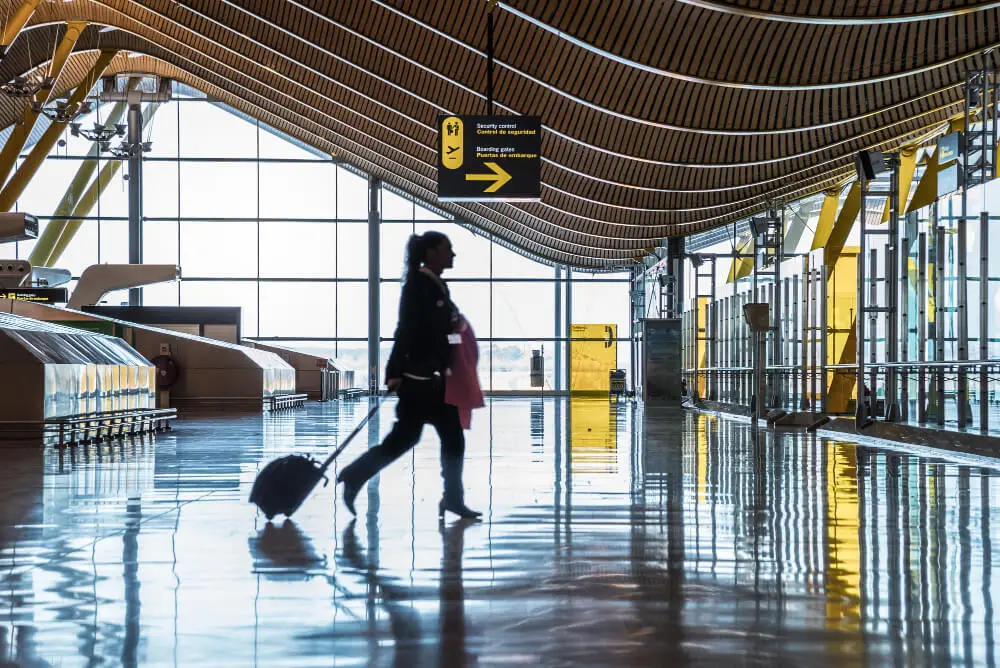
Comfort differs significantly between flying and driving. A road trip offers the freedom to relax in your own car, take breaks when needed, and customise the environment around you. You can listen to your favourite playlist, pack your favourite snacks, and stop whenever you want. On the other hand, flying means sitting in a confined space for the duration of the flight, adhering to airline rules, and dealing with crowded airports.
Some travellers enjoy the predictability and speed of flying and find it less stressful than long hours behind the wheel. Others find airport security, long queues, and flight delays stressful and prefer the familiarity of their car. Scenic routes and landscapes also play a big role in the travel experience. Driving allows you to enjoy views along the way and turn the journey itself into part of the adventure rather than just a means to reach a destination.
Safety Considerations
Safety is something most travellers think about, even if subconsciously. Statistically, flying is one of the safest forms of transportation. Aviation is heavily regulated, aircraft are maintained to strict standards, and pilots undergo rigorous training.
While driving can also be safe, road travel does come with risks related to traffic conditions, driver fatigue, weather, and vehicle condition. This does not mean driving is unsafe for everyday trips, but the risk of incidents is statistically higher than that of flying. Your comfort level with highway driving, nighttime travel, or unfamiliar routes also influences your personal safety preferences
Environmental Impact
More travellers than ever are becoming aware of their environmental footprint. Flying generally produces more carbon emissions per passenger than driving, especially on shorter flights. However, the picture changes when you fill a car with multiple passengers. A full car can often be more efficient on a per-person basis than a flight carrying only a few travellers.
Factors such as vehicle fuel efficiency, distance, and the number of people travelling together all affect the total environmental impact. Some travellers use carbon footprint calculators to estimate emissions from both flying and driving before making a decision.
When Driving Makes More Sense?
Flying comes out ahead for long distances and when time is your primary concern. If you only have a few days for a trip and do not want to spend hours on the road, flying allows you to maximise your time at the destination. It also makes sense when driving routes involve challenging terrain, weather concerns, or multiple overnight stops. For solo travellers or couples without much luggage, flying can be surprisingly efficient and cost-effective, especially when flight deals are booked early, and additional fees are managed carefully. When speed and convenience are prioritised over experience, flying is often the better choice.
Final Words
Choosing between driving and flying does not have to be a stressful decision. It comes down to what matters most for your trip: cost, time, comfort, or experience. By considering the factors that matter to your travel style and trip requirements, you can choose an option that fits your budget and enhances your overall journey. Whether you prefer the open road and scenic routes or the quick convenience of air travel, both options have something valuable to offer. Planning ahead and understanding the trade-offs will help you make your travel decisions with greater confidence and satisfaction.
